
Review · PARIS
A Tapestry of Art and Romance in Montmartre
Montmartre tells its story in a short uphill walk: cabaret at the Moulin Rouge, artists at Bateau-Lavoir, singers at Dalida’s bust, and grand views at Sacré-Coeur. This tour connects those pieces without asking you to spend a full day wandering the hill alone.
I like two things here. First, the route goes beyond the most photographed corners and explains why Montmartre mattered to Parisian painters, musicians, and café culture. Second, the guides show real patience. Arthur slowed down for guests with bad knees, stopped for photos, and even handled a rainy, cold outing with prepared photos and extra explanations. The main drawback is that most stops are viewed from outside, and the 90-minute schedule can feel brisk if you want long visits or lots of café time.
Key points to know
- The route links eight Montmartre landmarks, from the Moulin Rouge to the steps of Sacré-Coeur.
- Arthur is a frequently named guide, praised for his passion, patience, and ability to adjust the pace.
- The tour is conducted in English and uses a mobile ticket.
- Most sightseeing is outdoors, with admission generally not included or not required.
- The ending is useful, placing you in front of Sacré-Coeur so you can visit the basilica on your own.
- The price is $36.12 per person, reasonable for a guided introduction but less compelling if you want interior visits.
From the Moulin Rouge into Montmartre’s old art quarter
The walk begins at Blanche, near the Moulin Rouge. You’ll spend about ten minutes looking at the famous cabaret from outside and hearing how it fits into Montmartre’s entertainment identity.
This is a good starting point because it sets the neighborhood’s tone. Montmartre was not only a place for painters in berets. It also drew singers, dancers, writers, café owners, and people looking for a less formal corner of Paris. The Moulin Rouge gives you that show-business side before the route turns toward studios, old mills, portraits, and churches.
Do not expect admission to the cabaret. The experience is an exterior visit, useful for orientation and photographs. If you have already seen the Moulin Rouge on another Paris outing, this stop may feel familiar, but the guide’s context can help connect it to the rest of the district.
The meeting point is near public transportation, which makes Blanche practical to reach. You receive confirmation when booking, and the mobile ticket keeps the arrival process simple. The tour is capped at 50 people, so the group could be fairly large, though some departures may be much smaller. One booking even became a private tour because Arthur was the only guide needed for a single participant.
More romantic experiences around Paris:
- Paris: Romantic Cruise with 3-course Dinner on Seine River
★ 4.3 · 2,295 reviews - Paris Private Romantic Horse & Carriage Ride
★ 4.5 · 414 reviews - Romantic Paris Vintage Citroën 2CV Tour
★ 4.6 · 198 reviews
The I Love You Wall and Montmartre’s softer side
Next comes Le Mur des Je t’aime, or the Wall of Love. You’ll have roughly ten minutes for photographs at this free outdoor stop.
The wall is a change of mood after the Moulin Rouge. Its repeated declarations of love in many languages make it an easy place to pause, especially if you want a quick photo that feels different from the usual Paris monument shot. The guide can also help you understand how this corner fits the romantic image often attached to Montmartre.
Keep your expectations measured. This is a short photo break, not a long cultural visit. The value comes from having someone point it out and place it within the walk, rather than from spending a great deal of time there.
Bateau-Lavoir and the artists who made Montmartre famous
The longest stop is Bateau-Lavoir, where the guide spends about 20 minutes discussing the artists who lived in Montmartre during the 19th century.
This is likely the most important stop for understanding the district’s artistic reputation. Montmartre was not simply a pretty hill with colorful cafés. It became a working place for artists who lived, argued, experimented, and built careers in modest surroundings. At Bateau-Lavoir, you get a direct look at that creative community and the people who helped give the neighborhood its place in Parisian culture.
I like that this stop receives more time than the smaller photo pauses. A quick name-check would not do the subject justice. Your guide can explain the people and setting, then show how the neighborhood became linked with modern art and the café life that still shapes its image.
There is no interior admission included here, so the experience depends on the explanation and what you can see from the outside. That is typical of this tour. It works best if you want a clear story while walking, not a museum-style presentation with rooms and objects to inspect.
Moulin de la Galette, where a restaurant becomes a landmark
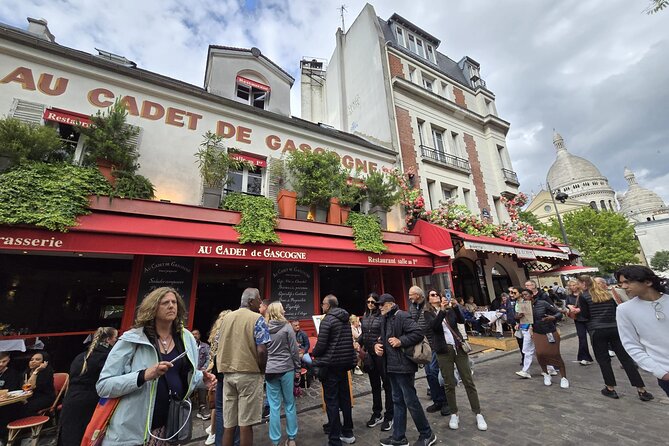
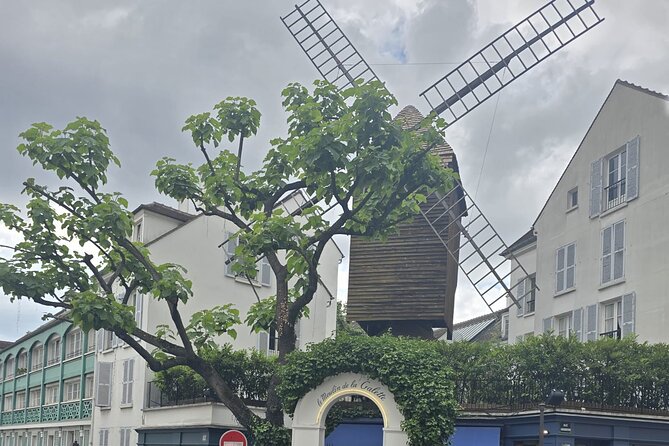
The walk continues to Le Moulin de la Galette, with about five minutes devoted to the site.
This was one of Montmartre’s best-known restaurants in the 19th century, and its name is tied to the neighborhood’s old mill culture. The stop is brief, but it adds an important layer to the route. Montmartre’s identity grew not only from studios and canvases, but also from places where people ate, met, watched one another, and became part of the local scene.
Five minutes will not give you a full restaurant visit or a detailed architectural study. Think of it as a focused explanation while you move through the neighborhood. If you enjoy connecting a place to the daily lives of artists, this small stop is worth your attention.
Same place, a different kind of date:
- Paris: Romantic Photoshoot for Couples
★ 4.9 · 131 reviews - Paris: Romantic Piano Concert at Saint-Julien-le-Pauvre
★ 4.7 · 126 reviews - Classic, Romantic Paris: 3-Hour Vintage 2CV Tour
★ 4.7 · 120 reviews - Romantic Montmartre: Paris Lost Lovers Exploration Game and Tour
★ 4.5 · 107 reviews
Dalida’s bust and the neighborhood’s musical memory
At the Buste de Dalida, the guide introduces Dalida, the famous French singer associated with the music of the 1970s. You’ll spend about five minutes here.
This is one of the route’s more personal stops. It reminds you that Montmartre’s cultural identity did not end with 19th-century painters. The area also became linked with performers and musicians, and Dalida remains an important figure in French popular song.
The bust is a simple stop, but it keeps the tour from becoming a narrow art-history walk. You get a broader picture of the people who shaped Montmartre’s public image. If you know Dalida’s music, the stop will have extra meaning. If you do not, the guide’s explanation gives you a useful introduction without taking too much time from the rest of the route.
La Maison Rose and Picasso’s favorite café
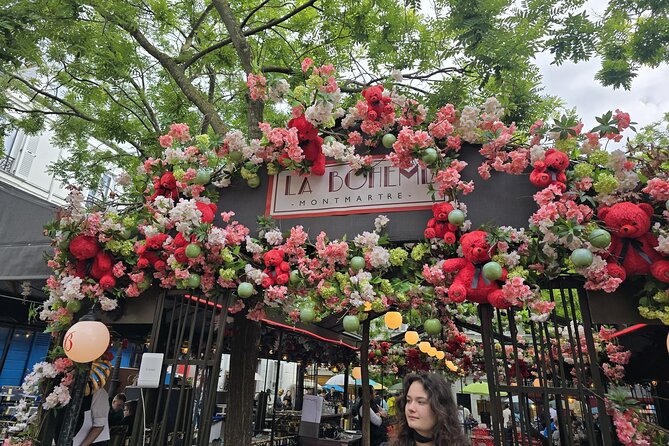
La Maison Rose is one of Montmartre’s most recognizable buildings. The tour allows about five minutes to see this emblematic restaurant, associated with the neighborhood’s artists and described as a favorite place of Pablo Picasso.
The appeal is easy to understand. The small pink façade looks made for a photograph, but its real value comes from the setting around it. This is the kind of stop where the guide’s story prevents the visit from becoming only a picture-taking exercise. You learn why the restaurant mattered and how it fits into the old artist quarter.
Admission is not included, and the stop is primarily an exterior look. That keeps the tour moving, but you should not book this experience expecting a seated meal or time inside the restaurant. If you want to eat here, that would be a separate plan after the walk.
Place du Tertre and the living art district
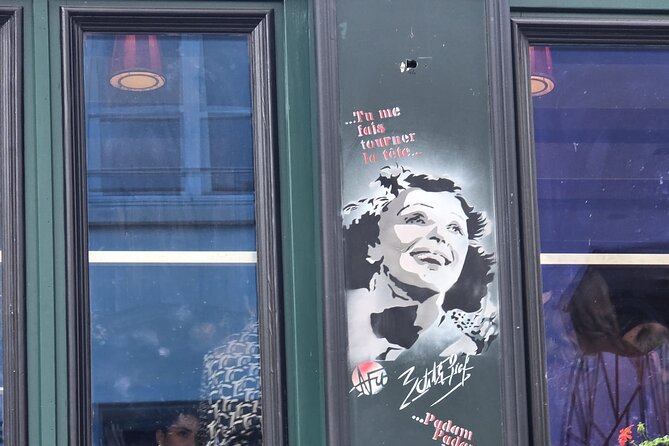
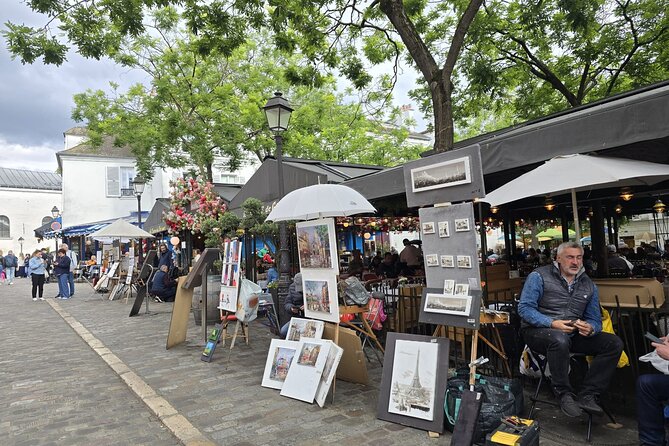
At Place du Tertre, you reach the heart of Montmartre’s artistic district. The scheduled visit is about five minutes, enough to take in the square and hear why it remains so closely tied to artists.
This is one of the places where the neighborhood’s past and present meet. The square is famous for artists working around the public space, and it gives you a sense of Montmartre as a place built around making and displaying art. The atmosphere can be more commercial than the old legends suggest, but it remains an essential stop for a first visit.
The short timing is the main limitation. You may want to linger, browse, or watch portraits being drawn. The tour will give you the context, then move on. If you prefer to spend a long afternoon in one square, use the tour as an introduction and return later on your own.
Ending at Sacré-Coeur, with time to continue alone
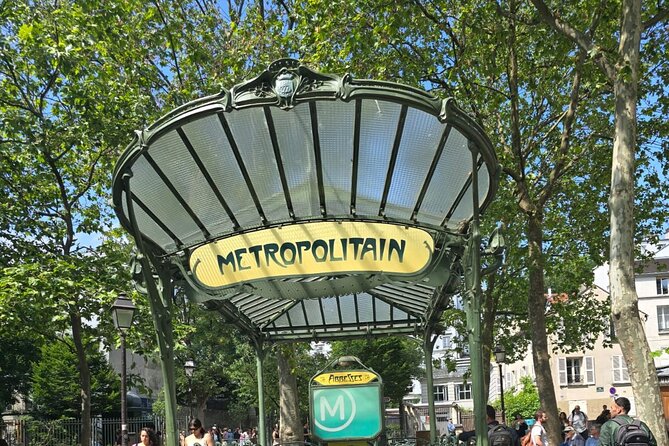
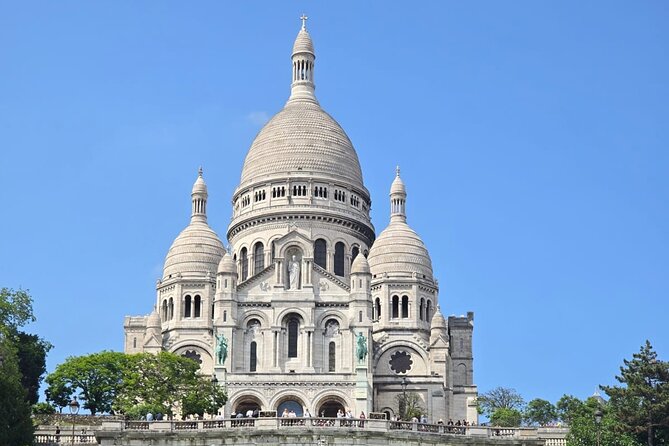
The route ends in front of the Basilique du Sacré-Coeur de Montmartre, where you’ll spend about ten minutes learning about the church and its role as Montmartre’s symbol.
This is a satisfying finish because the basilica is both a major sight and a useful place to continue your day. The church visit is not part of the guided tour. After the guide finishes, you can enter on your own and decide how much time to spend inside.
The exterior alone makes the final stop worthwhile. Sacré-Coeur gives the walk a grand finish after the smaller streets and intimate artist landmarks. It also provides a clear endpoint, rather than leaving you somewhere in the middle of the hill with more navigation to handle.
One point needs attention: the itinerary includes several uphill streets and walking between stops, even though the exact route length is not stated. The guide’s record of slowing down for guests with knee problems and limited mobility is encouraging. Arthur allowed breaks and let one family move at its own pace, while another guide handled slow walking carefully in poor weather. Still, tell your guide if you need a slower pace, and wear comfortable shoes.
What the guide adds to a short walking tour
The guide is the main reason to book this rather than simply follow a map. Arthur is specifically praised for his passion for Montmartre, his patience with photo stops, and his ability to explain sights clearly. Another guide received similar praise for using prepared photos and materials during rain and cold, helping make the stories easier to understand.
That flexibility matters. A 90-minute walk can easily become frustrating if the guide rushes through names and dates. Here, the strongest pattern is a willingness to pause for a slower walker, a family member with bad knees, or someone taking pictures. You can still expect a timed route, but the experience is not presented as a race.
The tour is offered in English. The supplied information does not promise a particular guide on every departure, so Arthur may not lead your group. If you have a mobility concern, the available feedback suggests that the provider can be considerate, but the route remains a walking tour through a hilly district.
Is $36.12 a fair price?
At $36.12 per person, the tour is fairly priced for a guided introduction to one of Paris’s most story-filled neighborhoods. You are paying for about 90 minutes with a professional guide, not for entry to museums, the Moulin Rouge, or the Sacré-Coeur interior.
I see the value in the route’s range. In one short outing, you cover cabaret, romance, artists, restaurants, a singer, a famous pink café, a public art square, and a major basilica. That would be easy to miss if you wandered without knowing what to look for.
The value is weaker if you want long stops or indoor access. Several locations receive only five minutes, and most are viewed from outside. You are buying explanation, orientation, and a well-shaped route. You are not buying a series of admissions.
The tour is often booked about 41 days ahead, which suggests that planning early is sensible, especially if your Paris dates are fixed. You can cancel for a full refund up to 24 hours before the start time. Changes or cancellations inside that window are not accepted for a refund.
Who will get the most from this Montmartre walk?
I would choose this for a first visit to Montmartre, especially if you want the neighborhood’s cultural story without spending half a day planning a route. It suits couples, families, solo visitors, and anyone who likes a guide to explain why ordinary-looking streets matter.
It also suits you if walking pace is a concern. The strongest practical detail from the experience is the guide’s patience with slow walkers, families, bad knees, and frequent photo stops. That does not remove the hills, but it makes the outing more manageable.
You may want something else if you prefer museum interiors, long café breaks, or a small specialist group guaranteed every time. The maximum group size is 50, and the exact departure size is not promised. The route is also more of an introduction than a full study of Montmartre.
Final verdict: a useful first look at the hill
Book this tour if you want a compact, story-led introduction to Montmartre and appreciate a guide who can adjust the pace. The combination of Arthur’s reported passion, the eight-stop route, and the finish at Sacré-Coeur gives you a strong framework for exploring the area on your own afterward.
Skip it if you already know Montmartre well or plan to spend hours inside attractions. For everyone else, $36.12 buys a practical orientation with plenty of memorable details, from the Moulin Rouge and Bateau-Lavoir to Dalida, La Maison Rose, and the basilica above the hill.
FAQ
How long does the Montmartre walking tour last?
The tour lasts approximately 1 hour and 30 minutes.
Where does the tour begin?
It begins at Blanche, in the 75018 area of Paris, near public transportation.
Where does the tour end?
The tour ends in front of the Sacré-Coeur Basilica at 35 Rue du Chevalier de la Barre, 75018 Paris.
Is the Sacré-Coeur Basilica visit included?
The guided experience ends outside the basilica. You can visit the interior on your own afterward.
Is the tour offered in English?
Yes. The experience is offered in English.
What is included in the price?
A professional guide is included. Coffee and tea are not included, and admission tickets are generally not included for the exterior landmarks.
Can I cancel the booking for a refund?
Yes. You can cancel at least 24 hours before the start time for a full refund. Cancellations or changes made less than 24 hours before the start time are not accepted for a refund.
New for two around Paris
- Private Romantic Photoshoot in Paris with Bouquet of Flowers★ 5.0 · 3 reviews
- Romantic Tour of Paris in a Vintage Luxury Open-Top French Car★ 5.0 · 5 reviews
- Valentine’s Day Seine River Champagne Cruise★ 5.0 · 2 reviews
- Live, Laugh, Love Along the Seine: Self-Guided Romantic Tour★ 5.0 · 9 reviews
- Eiffel Tower Surprise Proposal Engagement★ 5.0 · 3 reviews
- Private Proposal Photoshoot in Paris★ 5.0 · 5 reviews
- Parisian Love Affair: Elegant Romance Private Tour in Paris★ 4.5 · 7 reviews
- Romantic photo shooting on a private boat in Paris★ 5.0 · 3 reviews
France Romantic Experiences, side by side.
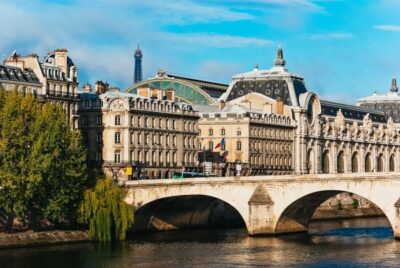
Paris: Romantic Cruise with 3-course Dinner on Seine River
Read our review →

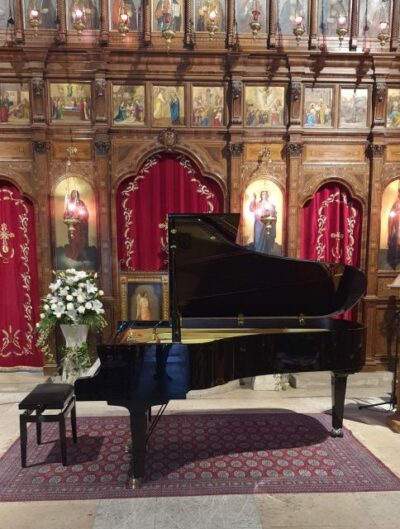
Paris: Romantic Piano Concert at Saint-Julien-le-Pauvre
Read our review →
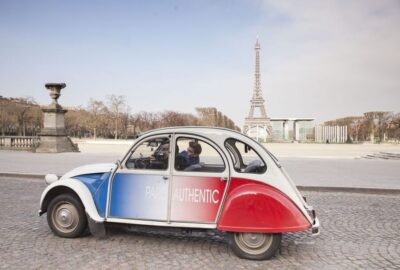
Classic, Romantic Paris: 3-Hour Vintage 2CV Tour
Read our review →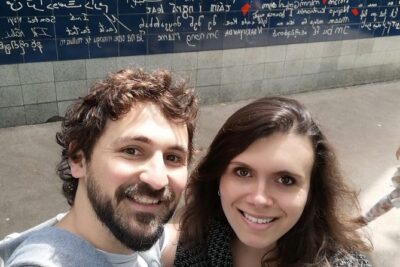
Romantic Montmartre: Paris Lost Lovers Exploration Game and Tour
Read our review →
Paris: Bastille Day Dinner Cruise on the Seine River
Read our review →Lists this one appears in