
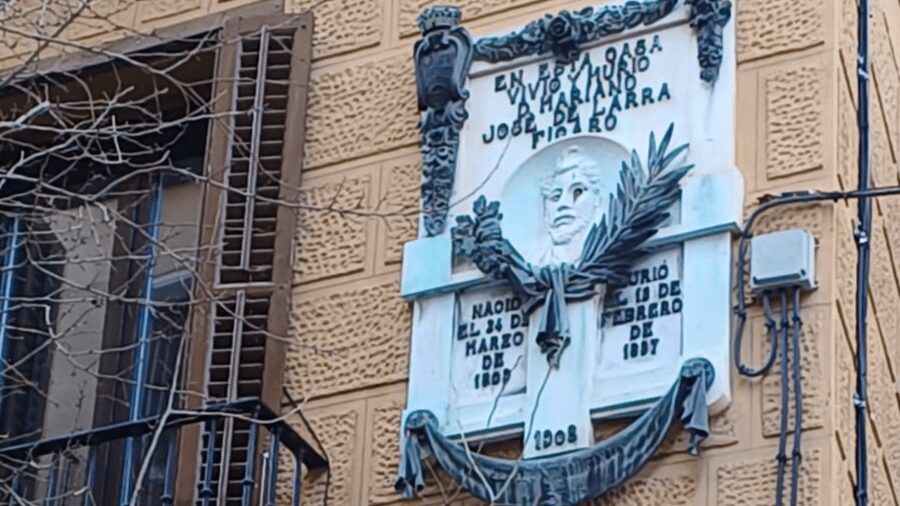
Review · MADRID
Romantic Madrid in the 19th century
Madrid’s Romantic era is a different city from the Madrid of the Austrias or Bourbons. On this two-hour walk, Doña Victoria, played by Miriam, leads you into the 19th century, when art, politics, passion, and social change crowded the same streets.
I like the clear focus on literature, music, painting, and café life, rather than a standard monument checklist. I also like the theatrical meeting point: a guide with a white fan beside Isabel II’s statue. The main consideration is language, since the live tour is in Spanish.
Key points
- Doña Victoria, played by Miriam, guides the walk in period character with a white fan.
- The tour explores 19th-century Madrid, including cafés, politics, literature, painting, and music.
- The two-hour route costs $17 per person, a reasonable price for a guided city walk.
- Meet at Plaza de Isabel II, beside the central statue of Isabel II.
- The tour is conducted in Spanish and some content is presented in its original language.
- Wheelchair access is available, with free cancellation up to 24 hours before the start.
Meeting Doña Victoria at Plaza de Isabel II
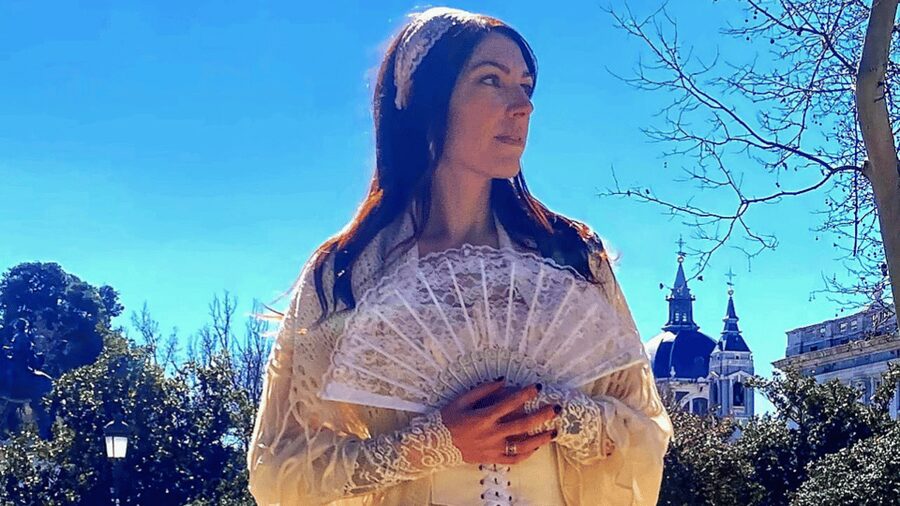
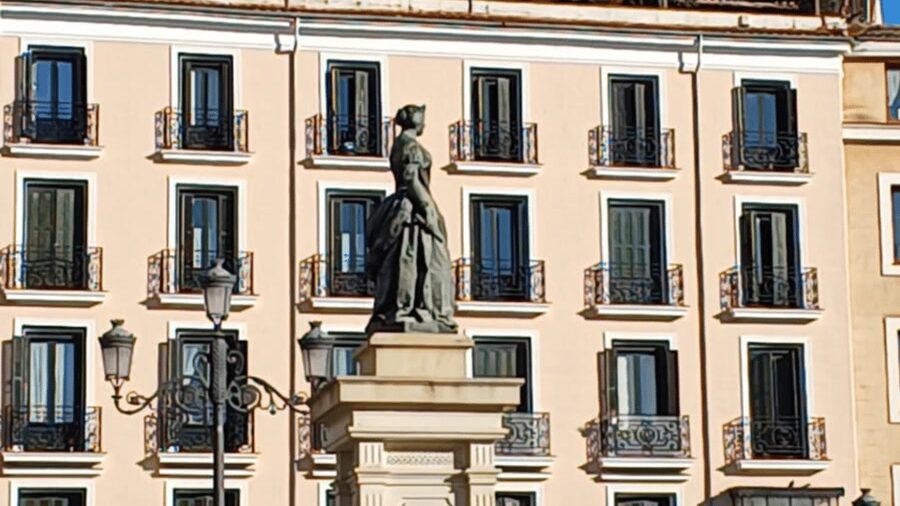
The tour begins in Plaza de Isabel II, a useful central meeting point in Madrid. Look for Doña Victoria beside the sculpture of Isabel II in the center of the square. Her white fan is the visual signal that helps you find the guide.
That small detail matters. A busy city square can make a meeting point feel vague, but a person in character with a distinctive accessory is easier to spot than a generic sign or a guide holding a phone. You should still allow enough time to reach the plaza, since the activity is a walking tour and the group begins together from this location.
The square also sets the tone. Isabel II was a major figure in 19th-century Spain, and her presence gives the meeting point a direct link to the period you are about to explore. This is not simply a convenient place to gather. It introduces the political world behind the tour.
The guide is Doña Victoria, played by Miriam. That character-based approach gives the walk a story rather than a lecture. You can expect the past to be presented through personalities, feelings, artistic ideas, and social tensions. The theatrical element will appeal most if you enjoy history with a human voice and a little performance.
More romantic experiences around Spain:
- Romantic Sunrise Balloon Tour in Majorca
★ 5.0 · 466 reviews - Seville: Authentic and Romantic Horse-Drawn Carriage Ride
★ 4.5 · 341 reviews - Boreal Couple Massage
★ 5.0 · 114 reviews
A Madrid caught between nostalgia and revolution
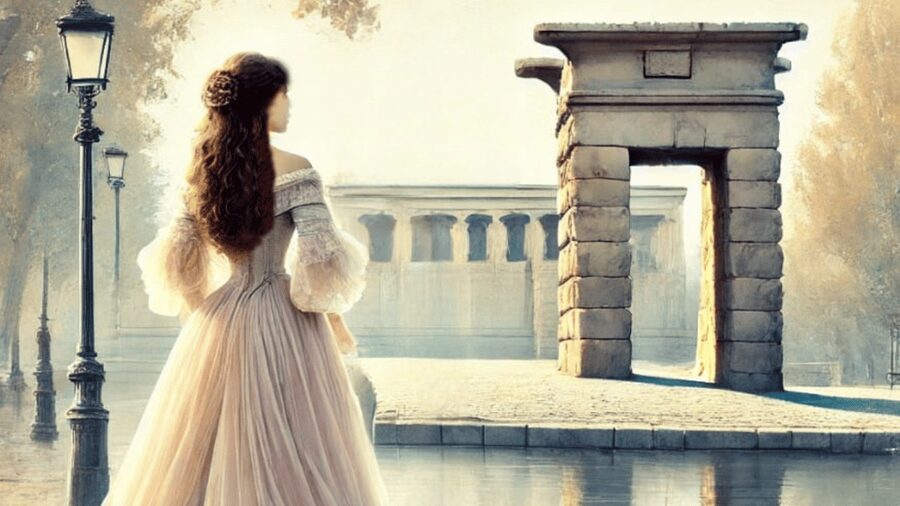
The 19th century was not a calm interval between better-known royal periods. Madrid was changing, and the tour presents the city as a place pulled in two directions: looking back toward older customs while also facing political and cultural change.
That tension gives the walk its main subject. You are not only hearing what buildings or streets were used for. You are considering how people lived, felt, loved, argued, created art, and responded to a society in motion.
The experience focuses on the emotional life of the era. Its central figures are not treated as names on a timeline. Instead, the tour asks how Madrid’s most notable characters experienced ambition, romance, artistic freedom, and political uncertainty.
That can make the period easier to understand. Political change often feels distant when it is reduced to dates and rulers. Here, it is connected to the city’s cafés, artistic circles, and private lives. You get a sense of how public arguments and private passions could occupy the same room.
Do not expect a conventional royal Madrid tour. The Austrias and Bourbons are familiar reference points for many visitors, but this walk shifts attention to a later Madrid that can receive less attention. If you have already seen the classic central sights, this offers a fresh way to read the same city.
Entering the cafés and their conversations
One of the most appealing themes is the world of café gatherings. In 19th-century Madrid, cafés were more than places to stop for a drink. They were meeting places where writers, artists, musicians, and political voices crossed paths.
The tour uses these gatherings to explain how ideas moved through the city. Literature could meet politics. Music could sit beside painting. Personal disputes could reflect wider arguments about the future of Spain and the direction of society.
The supplied details do not name specific cafés or promise entry into a particular historic interior, so you should expect the café world to be discussed as part of the walk rather than assume a dedicated café stop. That distinction is useful when planning. The value lies in the stories and connections, not in a guaranteed coffee break.
I like this part of the concept because it gives the city a social setting. A plaza or street can look quiet today, yet the guide can help you picture the conversations that once gave it meaning. You will be listening for the atmosphere of exchange: who spoke, what they believed, and how art and politics shaped one another.
The Spanish language is important here. A live guide can use tone, timing, and character to bring a gathering to life, but you need enough Spanish to follow the discussion. Some content is presented in its original language, so this is best for Spanish speakers or for visitors comfortable accepting that not every detail may be translated.
Literature, painting, music, and a new kind of art
The tour’s artistic focus reaches across several fields rather than concentrating on one famous writer or painter. You will hear about literature, painting, and music as parts of a wider change in taste and expression.
Romanticism is presented as a force that encouraged new artistic dreams. The idea is not simply that artists made attractive work. They were responding to a city and society that no longer felt fixed. New forms of art grew in the shadows of Romanticism, shaped by emotion, imagination, conflict, and a desire to break from old habits.
This broad approach is useful because the arts rarely develop in isolation. A literary circle can affect musical ideas. Political debate can shape a painting. A changing audience can alter what artists want to create. The walk connects those areas instead of treating them as separate school subjects.
You should also expect the guide to emphasize character and mood. The experience is designed around how important figures lived and felt, not just what they produced. That may appeal to you if you prefer stories about people and motives over a long list of titles, dates, and museum facts.
At the same time, the tour may not satisfy someone seeking a detailed art-history lecture. The supplied description promises discussion of several creative fields, but it does not identify particular works, artists, or galleries. Think of it as a cultural portrait of Romantic Madrid, not a specialist museum tour.
Same place, a different kind of date:
- Barcelona: Ice Bar and Terrace Drinks Romantic Package
★ 4.0 · 87 reviews - Romantic Photoshoot Experience for Couples in Barcelona
★ 4.9 · 61 reviews - Massage of your choice for a couple of 60 min in the same room at THAI SPA MASSAGE
★ 4.5 · 59 reviews - Private Sunset Sailing Charter for Couples from Corralejo
★ 4.5 · 57 reviews
Politics hiding in plain sight
Politics is another thread running through the walk. The 19th-century city was shaped by debate and uncertainty, and the tour places those questions beside ordinary urban life.
This matters because political history can be hard to picture from a textbook. A guide in character can connect public events with the people who discussed them in cafés, wrote about them, painted in response to them, or felt their effects in daily life.
The experience does not present politics as a separate subject added to an arts tour. It treats political ideas as part of the same world as literature, painting, and music. That is a sensible way to understand the period. A society in conflict affects what people say, create, fear, and hope for.
You may also find the political material more suggestive than exhaustive. No detailed sequence of political events is provided, so you should not book this expecting a complete course on 19th-century Spanish government. The emphasis is on how political tension formed part of Madrid’s cultural life.
For me, that balance is one of the walk’s strengths. It gives you a reason to look beyond grand buildings and official history. Madrid’s past also belongs to its conversations, ambitions, romances, and arguments.
What the two-hour format gives you
Two hours is enough time for a focused introduction to Romantic Madrid without turning the experience into an all-day commitment. You can fit it into a morning or afternoon of sightseeing and still have time for other plans.
The length also suits the subject. The tour covers several connected themes, including cafés, art, music, literature, politics, and social change. A shorter walk might feel rushed, while a much longer route could become tiring if the material is delivered mainly through storytelling.
Because this is a walking tour, wear comfortable shoes and be prepared to remain with the group as the guide moves through the city. The information provided does not specify the walking distance, number of stops, or group size, so you should not assume a particular pace or an intimate small-group setting.
The two-hour limit creates a natural tradeoff. You get a strong thematic overview, but not a complete account of every 19th-century character or location. If one subject catches your interest, you may need to explore it further on your own after the tour.
The route is wheelchair accessible, which is useful for visitors who need an accessible walking experience. Since the precise route and street conditions are not provided, you may still want to confirm any personal mobility needs when booking.
Is $17 a fair price?
At $17 per person, this is priced as an accessible guided city experience rather than a major attraction with admission fees. You are paying for two hours of live interpretation, a themed route, and a guide who presents the material through the character of Doña Victoria.
I consider that good value if you want context for central Madrid and enjoy a story-led walk. The price is especially reasonable for visitors who have already seen the main royal sights and want a different angle on the city.
The value depends on your language and interests. If you do not understand Spanish, the cost becomes harder to justify because the spoken narrative is the heart of the experience. If you prefer museums, formal lectures, or named monuments with detailed architectural facts, this may not be the best use of your budget.
The price also does not include food, drinks, museum tickets, or other admissions. It covers the two-hour walking tour. That keeps the cost clear, but you should plan separately for anything else you want to do before or after the walk.
A full refund is available if you cancel at least 24 hours before the start, and you can reserve now and pay later. Those terms make it easier to fit the tour into a changing Madrid schedule.
Who will enjoy Romantic Madrid?
I would recommend this walk to you if you like city tours that explain how people thought and felt, not only what they built. It should suit visitors with an interest in Spanish literature, Romantic art, music, political debate, and the social life of old cafés.
It is also a good choice if you have already explored the better-known Madrid of the Austrias and Bourbons. The tour gives you a new period to consider and may help you notice the city beyond its most famous royal landmarks.
Spanish speakers will get the fullest experience. Since the live guide speaks Spanish and some content is shown in its original language, you should book only if you can follow a sustained guided conversation in Spanish.
Families and mixed-age groups may appreciate the character-led format, but the supplied information does not specify a children’s version or family activities. Book it for the historical and theatrical storytelling, not because it is designed specifically for children.
You should also choose this tour if you are happy with a thematic overview. It is not presented as a technical art tour, a royal-palace visit, or a detailed political chronology. Its appeal comes from the way those subjects meet in the streets and cafés of 19th-century Madrid.
Should you book this Madrid walking tour?
Book it if you want a two-hour Spanish-language walk with personality, especially if the lives of artists, writers, musicians, and political figures interest you. Miriam’s portrayal of Doña Victoria gives the experience a clear human focus, and the white fan makes the meeting point easy to identify.
The strongest reasons to go are the unusual period, the café-based social setting, and the links between art and politics. The main reason to skip it is simple: if you need English guiding or want a monument-by-monument tour, this will not match your needs.
With a $17 price, wheelchair access, flexible payment, and cancellation up to 24 hours before the start, the practical terms are favorable. If you understand Spanish and want to see Madrid through its Romantic-era passions and arguments, this is a sensible addition to your city plans.
FAQ
Where does the Romantic Madrid tour meet?
Meet in Plaza de Isabel II, beside the sculpture of Isabel II in the center of the square. Doña Victoria carries a white fan.
How long does the tour last?
The walking tour lasts two hours.
What language is the tour in?
The live tour guide speaks Spanish. Some content is shown in its original language.
Who leads the experience?
Doña Victoria leads the walk, and the character is played by Miriam.
What subjects does the tour cover?
The tour covers 19th-century Madrid, including literature, painting, music, politics, café gatherings, Romanticism, and the lives and feelings of notable figures.
Is the tour wheelchair accessible?
Yes, the activity is listed as wheelchair accessible.
Can I cancel for a full refund?
Yes. You can cancel up to 24 hours before the tour for a full refund. You can also reserve now and pay later.
New for two around Spain
- Private couple shooting – Corralejo Fuerteventura★ 5.0 · 11 reviews
- Romantic SPA day with couples massage and romantic dinner at Eurotel Punta Rotja★ 5.0 · 6 reviews
- Couples massage with private jacuzzi, cup of cava and SPA entry at Eurotel★ 5.0 · 5 reviews
- Private Mallorca Photoshoot – Palma & North Beaches options★ 5.0 · 11 reviews
- Year of Love in Bilbao: Self-Guided Romantic Puzzle Quest★ 4.5 · 4 reviews
- Marriage Proposal Boat Trip in Barcelona★ 5.0 · 3 reviews
- Love in the Gothic Quarter Barcelona: Self-Guided Romantic Walk★ 4.5 · 9 reviews
- Barcelona Private Romantic Sailing Tour★ 5.0 · 2 reviews
Madrid Romantic Experiences, side by side.

To sweat Madrid toxins in Hammam and enjoy the best couple massage downtown
Read our review →
Total Reboot and Renew with top wellnes 3 hours couple experience
Read our review →
Lists this one appears in