
Review · TURKEY
Şeb-i Arus 753rd Anniversary on 7-17th of DEC 2026 + City Tours
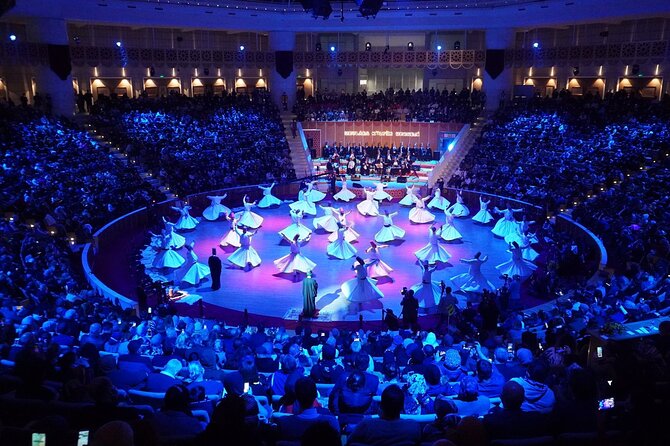
The heart of Konya’s Şeb-i Arus ceremony is the sema, the measured ritual performed by Mevlevi dervishes. This is not simply a stage show. Quran recitation, Masnavi discussion, Turkish Sufi music, and prayerful movement are arranged as one evening of remembrance for Mevlana, whose teachings still shape Konya’s identity.
I like two things right away: the clear English explanations on large screens, which help you follow each part, and the auditorium’s good views. You can take photos without flash, so you are not forced to choose between keeping a memory and showing basic respect.
The main drawback is language. Some speeches may not be translated into English, and the event is non-refundable, so you should book only when your Konya plans are firm. Organizer Erkan Akay has helped visitors secure last-minute tickets, but I would not count on that for a ceremony held only during this anniversary period.
Key points to know before you go
- A rare anniversary setting: The program marks the 753rd anniversary of Mevlana’s reunion, with ceremonies scheduled from December 7 through 17, 2026.
- Four distinct elements: Expect Quran recitation, a Masnavi discussion, Turkish Sufi music, and the sema ceremony.
- English help is built in: Large screens explain the stages of the sema and the meaning of each greeting in English.
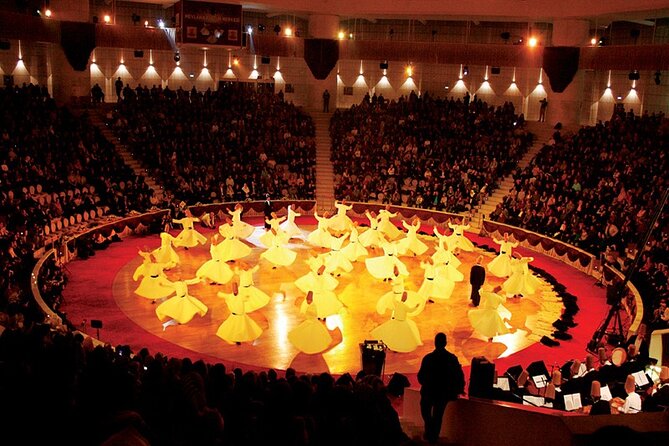
- Good auditorium visibility: The venue is designed so you can watch the ceremony clearly from your seat.
- A compact two-hour program: This works well as an evening cultural activity rather than a full-day excursion.
- Small enough to remain orderly: The maximum group size is 100 people, though the program itself takes place in the Mevlana Cultural Center.
Why Şeb-i Arus matters in Konya
Şeb-i Arus is tied to Mevlana Jalaluddin Rumi’s death anniversary. In Mevlevi thought, death is described as a reunion with the beloved, not simply an ending. That idea explains the Turkish name and the ceremony’s tone: solemn, graceful, and spiritual rather than festive in the usual tourist sense.
You do not need to be a scholar of Rumi to appreciate the evening. A little context helps, though. Mevlana’s teachings focus on love, spiritual discipline, and drawing closer to God. The sema gives those ideas a physical form through music, turning, pauses, bows, and carefully ordered gestures.
I would approach this as a religious and cultural ceremony first, and a performance second. The dervishes are not putting on a folk dance for applause. Their movements follow a ritual structure, and the quiet attention in the hall is part of the experience.
That distinction matters. If you want a fast show with dramatic choreography, this may feel slow. If you are willing to sit quietly and watch the pattern unfold, the stillness becomes part of the reward.
More ways to spend a day together around Turkey:
- Antalya/Kemer: Phaselis Yacht Trip for Families and Couples
★ 4.5 · 183 reviews - Alanya Holiday Photo Shoot – Families, Couples & Solo Travelers
★ 5.0 · 157 reviews - Romantic Night Cruise Live Violinist
★ 5.0 · 98 reviews
Arriving at the Mevlana Cultural Center
The meeting point is the Mevlana Cultural Center, on Çimenlik, Aslanlı Kışla Cd. in the Karatay district of Konya. The activity begins and ends there, which keeps the evening simple. You do not have to track down a second venue after the ceremony or arrange a separate return point.
The center is near public transportation, another practical advantage in a city where you may not want to rely on a long walk late in the evening. The supplied details do not specify a private transfer, hotel pickup, or guided sightseeing before the ceremony, so plan on making your own way to the stated meeting point.
Allow yourself enough time to arrive without rushing. The ceremony depends on quiet attention, and arriving breathless or just as the doors close is a poor way to begin. Your confirmation is issued at booking, so keep the meeting-point details available on your phone.
The maximum group size is 100 people. That does not mean every evening reaches that number, but it gives you a useful idea of scale. This is larger than a private cultural appointment and much smaller than a major stadium event.
What the two-hour program includes
The evening is made up of several connected parts rather than one uninterrupted dance. The exact order and length of each section can vary, but you should expect the following elements.
Quran recitation
Quran recitation places the ceremony firmly within its Islamic setting. Even if you do not understand Turkish or Arabic, the sound and pace make clear that this is a devotional gathering, not just an arts program.
You should listen quietly and avoid treating the opening as background music. The recitation establishes the tone for everything that follows.
Same place, a different kind of date:
- Cappadocia: Romantic Concept Dinner in the Valley
★ 4.9 · 62 reviews - Çukurcuma Hamamı 1831 – Boutique Hammam for Couples
★ 5.0 · 61 reviews - Unforgettable Moments in Istanbul: Photo Shoot for Couples
★ 5.0 · 47 reviews - Couple Package
★ 5.0 · 46 reviews
Masnavi discussion
The Masnavi is Mevlana’s best-known poetic work and an important source for understanding his spiritual ideas. A discussion connected to the Masnavi gives the evening an intellectual side, linking the later movements to Mevlana’s words and teachings.
English access can be uneven here. English explanations appear on screens during the program, but not every speech is translated. If understanding every spoken passage is important to you, this is the point where you may feel the language gap most sharply.
Turkish Sufi music
Music prepares the space for the sema. The sound is traditional and purposeful, not a concert built around applause or audience participation.
You may find the music easier to follow than the spoken material because its mood carries across language. Still, this is a formal part of the ceremony, so hold your conversation until the program ends.
The sema ceremony
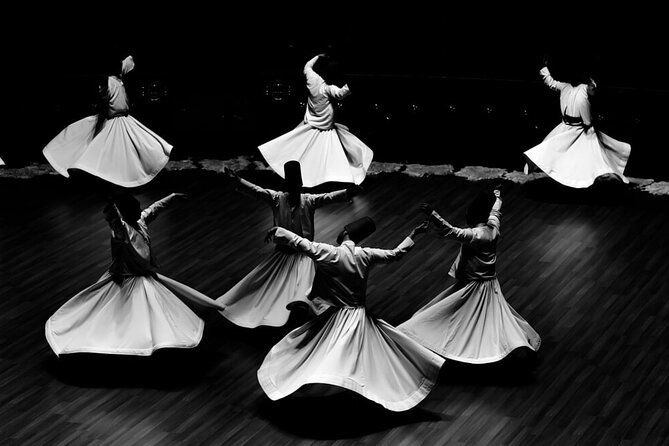
The sema is the best-known part of the Mevlevi tradition. Dervishes turn in a controlled pattern, with gestures and greetings carrying meaning within the ritual. The turning can look simple at first, but the ceremony’s structure is detailed.
The screens are especially useful here. They explain each stage, each greeting, and the differences between the movements that might otherwise look minor to someone seeing the sema for the first time.
The program’s English explanations help you watch with more understanding instead of simply seeing people turn in white robes. You can take photographs, but flash photography is not allowed. Keep your phone quiet and use the camera sparingly.
The auditorium gives you a fair view
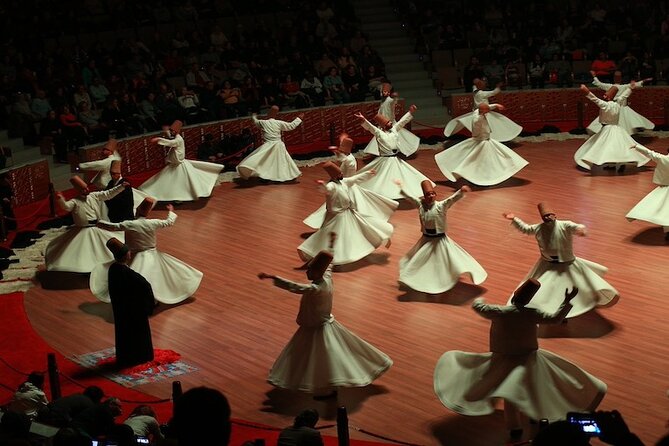
A good seat matters at a ceremony built on small hand movements and formal gestures. The auditorium is described as providing good visibility, and the program is presented in a way that lets you follow the action from your seat.
This is one reason the experience works better than an informal demonstration in a crowded room. You can watch the full pattern of the ceremony instead of peering between heads or standing at the back.
No seat assignment or seating layout is provided in the available details, so I would not promise a particular view. What you can expect is an organized auditorium setting rather than an outdoor performance or a casual hotel presentation.
The setting also helps with the mood. The ceremony has room to breathe, and the audience is encouraged to remain respectful. One of the most useful practical points is that photographs are allowed without flash, giving you a little freedom while preserving the atmosphere.
How much English help will you receive?
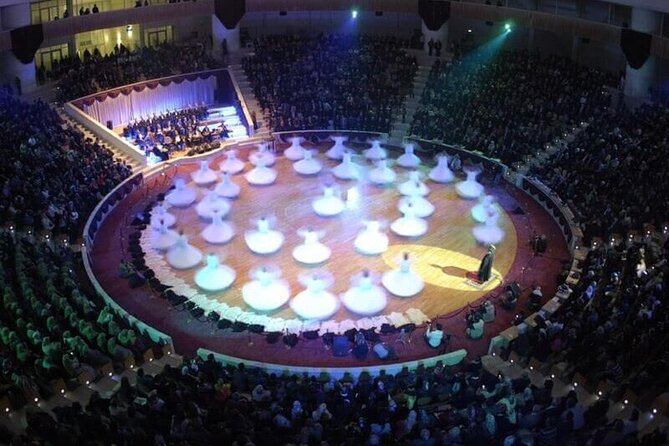
The English support is useful but not total. Large screens explain the sema, its stages, greetings, and ideas throughout the ceremony. That is enough to make the central ritual much easier to understand.
Do not assume every spoken introduction or speech will be translated. The organizer has acknowledged that this has been a long-standing concern. If you speak English only, you should be prepared to follow some sections through the screen explanations, music, movement, and visual cues rather than a full spoken translation.
This is a fair tradeoff for many people. The ceremony remains accessible without pretending that every part is bilingual. If you need detailed translation of all commentary, ask about current language arrangements before paying.
Is $24.08 a fair price?
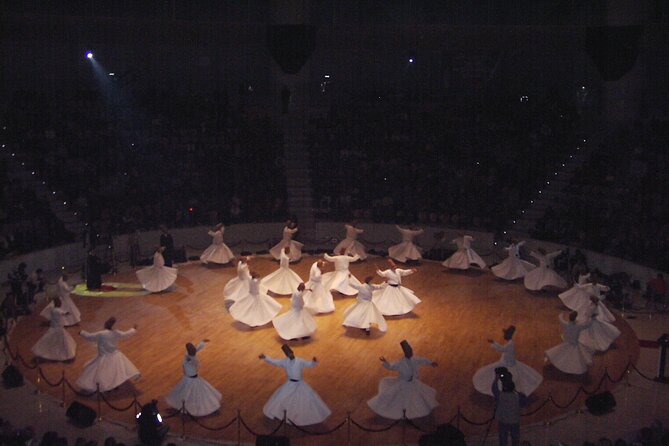
At $24.08 per person, the value depends on what you want from the evening. You are paying for access to a special anniversary ceremony, an organized meeting point, an auditorium setting, and English explanations that make the sema more approachable.
That is a reasonable price for a focused two-hour cultural program, especially during a major anniversary period. The cost is less attractive if you expect a city tour, transportation, a meal, or a long presentation about Konya. None of those additions are specified here.
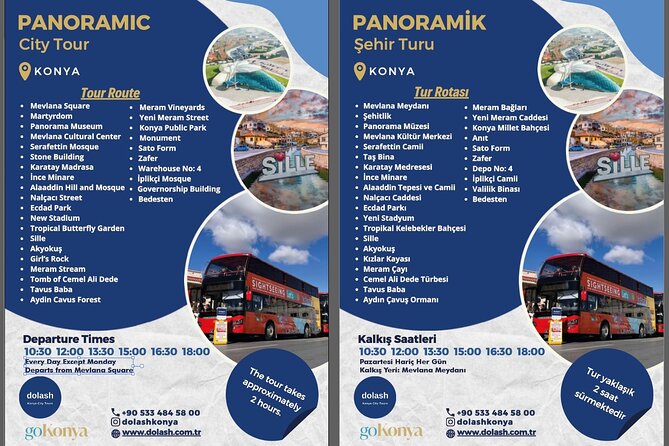
The title refers to city tours, but the supplied program details describe the Şeb-i Arus ceremony at the Mevlana Cultural Center. I would confirm any separate sightseeing inclusions before booking. Do not assume that the two-hour ceremony includes visits to museums, mosques, or other Konya sights.
For me, the strongest value lies in the setting and explanation. A short sema demonstration can leave you with only a striking visual memory. This program gives you Quran recitation, Masnavi context, music, and explanations of the ritual, so the evening has more substance.
Booking timing and the strict cancellation rule
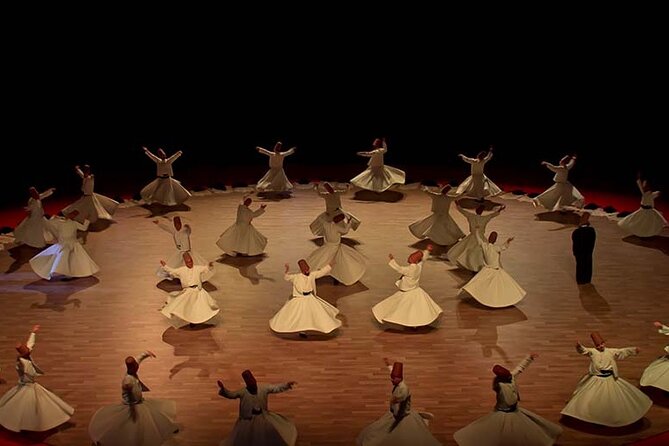
This experience is booked, on average, 13 days in advance. That suggests you should not leave your plans until the last minute, particularly if you are visiting Konya specifically for the December 7 to 17 ceremony period.
Confirmation is provided at the time of booking. The maximum capacity is 100 people, which may make early planning sensible during the anniversary dates.
The cancellation policy is strict: the experience is non-refundable and cannot be changed for any reason. If you cancel or request an amendment, the amount paid will not be returned. Check your dates, number of people, and Konya plans carefully before you commit.
The supplied information includes a helpful human detail. Erkan Akay has managed to find tickets for people only a few days before the event. That is encouraging if you are already in Konya, but it is not a guarantee of availability. For a fixed-date ceremony, advance booking remains the safer plan.
Who will appreciate this ceremony most?
I would recommend it to you if you enjoy religious art, classical music, poetry, or cultural experiences that ask for quiet attention. It is also a good choice if you want to understand the sema rather than simply watch a short dance presentation.
The event suits independent visitors who can reach the Mevlana Cultural Center on their own and who are comfortable with a two-hour program at one venue. Its location near public transportation makes that easier.
You should think twice if you need full English interpretation, dislike formal ceremonies, or want a lively evening with plenty of audience interaction. The event is respectful and structured. That is its strength, but it will not suit every mood.
Families and older people may find the short duration manageable, though the supplied information does not give specific accessibility details. Most people can participate, but you should contact the provider if you have a particular mobility or seating requirement.
A respectful way to attend
Wear whatever allows you to sit comfortably and respectfully through a formal religious ceremony. The available details do not set out a dress code, so I would avoid treating this like a casual dance performance.
Arrive with your phone silenced. You may take photographs, but do not use flash. A camera screen can still distract people nearby, so take a few careful pictures rather than recording every minute.
Do not clap over the music, recitation, or spoken explanations. Follow the room’s lead and save conversation for the end. The quiet behavior encouraged here is not a minor rule. It helps preserve the ceremony for everyone in the hall.
If you want a souvenir, the strongest memory may be the structure of the evening: recitation, teaching, music, then sema. Watching the parts connect gives you a better sense of Mevlevi practice than treating the turning as an isolated spectacle.
Should you book the 753rd anniversary ceremony?
Yes, if you will be in Konya between December 7 and 17, 2026 and want a serious cultural experience at a modest price. The two-hour format, clear screen explanations, strong auditorium visibility, and carefully ordered program make this a practical way to encounter the Mevlevi tradition.
Book with realistic expectations. You may not receive English translation for every speech, and the supplied details do not confirm additional city sightseeing or transport. Because the ticket is non-refundable and cannot be changed, make sure your schedule is settled first.
If the sema is your main reason for visiting Konya, this is a strong choice. If you want a fully translated lecture, a broad city tour, or a flexible ticket, ask questions before booking or choose a different activity.
FAQ
Where does the Şeb-i Arus ceremony begin?
It begins at the Mevlana Cultural Center, located at Çimenlik, Aslanlı Kışla Cd., 42030 Karatay/Konya, Türkiye.
Where does the activity end?
The activity ends back at the Mevlana Cultural Center meeting point.
How long does the ceremony last?
The activity lasts approximately two hours.
What does the program include?
The program includes Quran recitation, a Masnavi discussion, a Turkish Sufi music concert, and a sema ceremony.
Is the ceremony explained in English?
English explanations appear on large screens, including explanations of the sema’s stages and greetings. Not every speech is translated into English.
Can I take photographs?
Yes. Photography is allowed, but flash photography is not permitted.
How many people can join the activity?
The activity has a maximum capacity of 100 people.
Can I cancel or change my booking?
No. The experience is non-refundable and cannot be changed for any reason.
New for two around Turkey
- Şeb-i Arus 753rd Anniversary on 7-17th of DEC 2026 + City Tours★ 5.0 · 11 reviews
- Traditional Wedding Dances Workshop with a Couple at Local Home★ 5.0 · 2 reviews
- Private Proposal Tour in Bosphorus★ 5.0 · 2 reviews
- Marriage Proposal and Photoshoot in Cappadocia with Balloon view★ 4.5 · 9 reviews
- Wedding Proposal and Photoshoot with Hot Air Balloons★ 5.0 · 2 reviews
- Bodrum Cooking Class with Local Couple★ 5.0 · 6 reviews
- Marriage Proposal Surprise & Engagement in Cappadocia★ 5.0 · 5 reviews
- LC Rafting Tour for Families and Couples W/Lunch★ 4.3 · 10 reviews
Turkey Romantic Experiences, side by side.
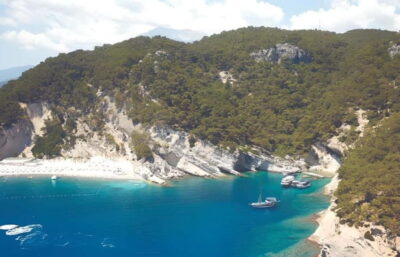
Antalya/Kemer: Phaselis Yacht Trip for Families and Couples
Read our review →
Alanya Holiday Photo Shoot – Families, Couples & Solo Travelers
Read our review →
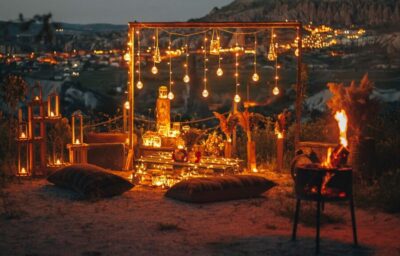
Cappadocia: Romantic Concept Dinner in the Valley
Read our review →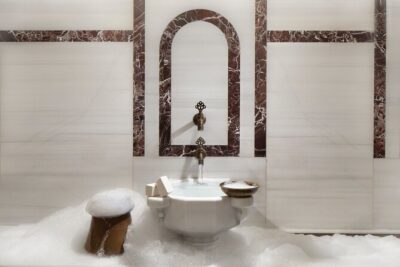
Çukurcuma Hamamı 1831 – Boutique Hammam for Couples
Read our review →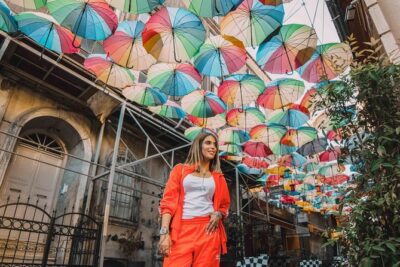
Unforgettable Moments in Istanbul: Photo Shoot for Couples
Read our review →
Lists this one appears in